How AI Video Auto-Tagging Actually Works (and Why Most Tools Get It Wrong)
Most AI video tagging returns flat object labels: "person, tree, building." That's not metadata — that's noise. Real editorial metadata tells you shot type, lighting, composition, and why an editor would pick the frame.



The two types of AI tagging
There are two approaches to AI video tagging, and the difference matters.
Generic object detection detects categories of things: person, car, dog, tree, chair. It's fast, reliable, and mostly useless for editorial work. You already know there are people in your footage. You need to know if it's a close-up or a wide, if the light is hard or soft, if there's space for a lower third.
Editorial description writes structured notes in filmmaking vocabulary: shot type, composition, lighting notes, mood, likely edit uses, space for graphics. It's slower, requires more compute, and produces information you can actually use in an edit. Most tools do the first. DAAAM does the second.
Why DAAAM descriptions hold up
DAAAM is built around editorial language — not stock-photo captions. Every distinct moment gets a structured read: what's in frame, how it's lit, how it moves, where titles could sit, and why you might cut to it.
Example: Generic tagging might return "two people, table, window, indoor." DAAAM returns something closer to what you'd write on a good day: medium shot, subjects left-of-centre, soft window light from camera-right, space for a lower third in the lower-left, contemplative mood, useful as an establishing or transition beat.
Efficient on real-world footage
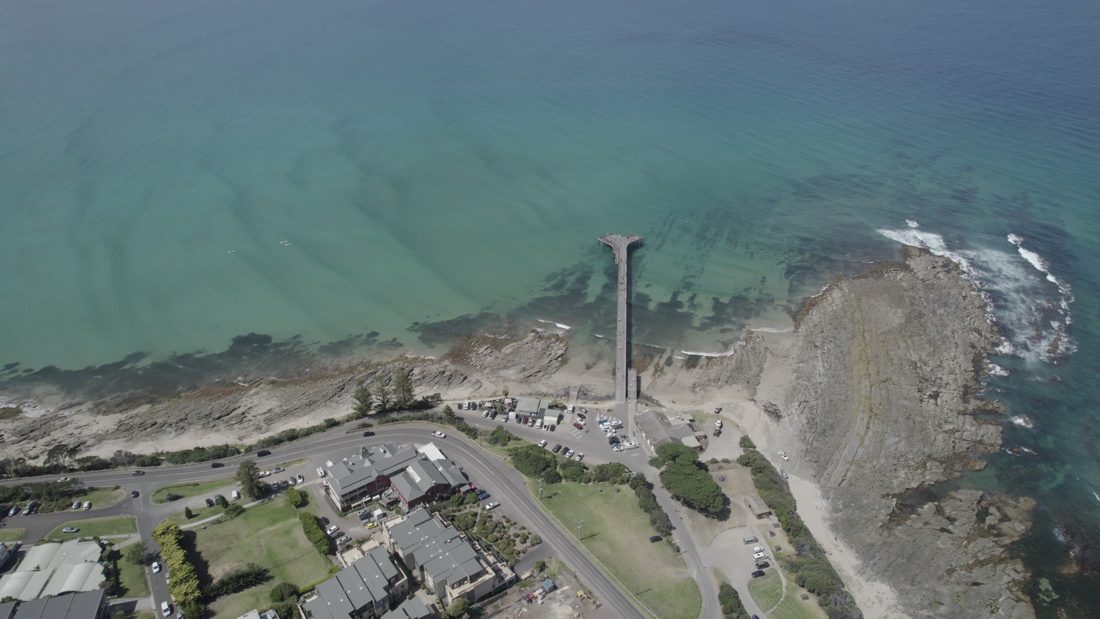
Interviews, locked-off wides, and hovering drone shots don't need to be re-read frame by frame. DAAAM spends its time on what actually changes — so a full day's rushes indexes in hours, not days, without skipping the shots you'll actually cut to.
Why most tools get it wrong
They stop at objects. "Person" and "car" aren't editorial decisions.
They treat a clip as one file. A ten-minute interview is thousands of frames — not one searchable moment.
They ignore audio. The dialogue is part of the footage. A description that ignores the words is half a description.
The honest limitations
Flat log footage is harder to read. Ungraded log can look grey and low-contrast on screen. Descriptions improve when footage is closer to a finished look. Colour pre-processing is on the roadmap.
Unusual angles can trip things up. Extreme Dutch angles, underwater shots, and other rare framings are harder to describe accurately.
It's not instant. A 500-hour archive takes hours to process locally. The compute is real. The tradeoff is: process once, search forever.
What good editorial metadata looks like
Generic AI tagging: person, table, cup, window, indoor
DAAAM editorial tagging: Shot type: medium · Composition: subject rule-of-thirds left, significant negative space right · Lighting: soft key from window-right, cool fill · Space for titles: upper-right clean gradient · Mood: contemplative pause · Likely edit uses: establishing, j-cut, reaction
DAAAM is available now — $69, one-time. No cloud account. No subscription.